Youth Strength Training: What It Is, Why It Matters & When Kids Should Start
"My kid is only 10. Isn't that too young to lift weights?"
It's one of the most common questions parents have about performance training.
And it's understandable.
For years, strength training for kids was associated with heavy barbells, bodybuilding and warnings about damaged growth plates or stunted growth. Even today, the phrase strength training can create a very different picture in a parent's mind than what good youth strength training actually looks like.
So let's start there.
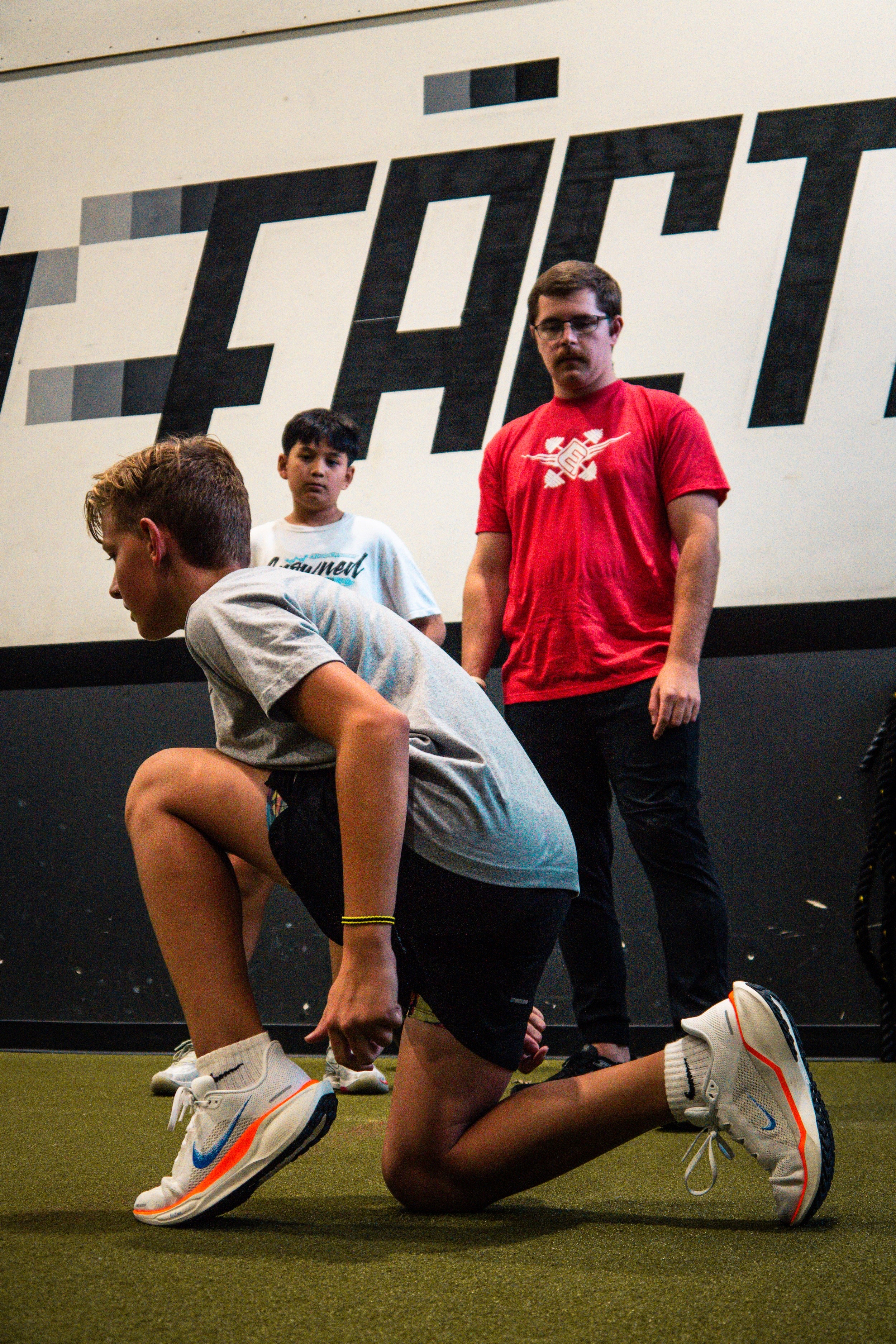
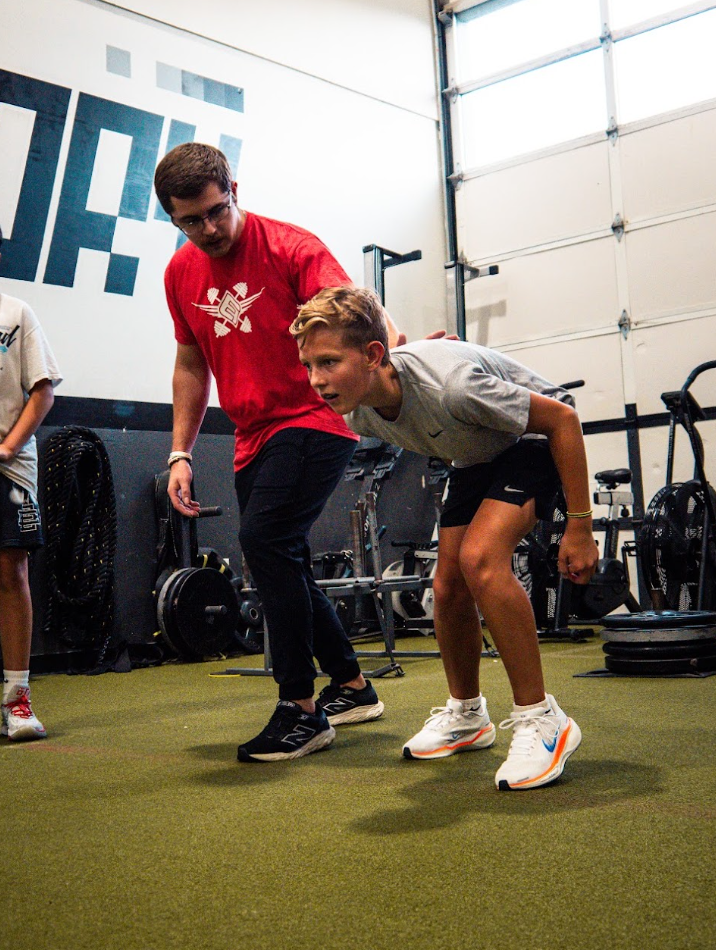
Youth strength training isn't about seeing how much weight a kid can lift. It's about teaching young athletes how to move well, control their bodies and gradually become stronger.
That can include weights. But especially with younger athletes, it can also include jumping, landing, sprinting, carrying, pushing, pulling, bodyweight exercises and medicine-ball work.
And when it's appropriately designed and supervised, the evidence supporting youth resistance training is strong. The American Academy of Pediatrics reports that children and adolescents can improve strength through resistance training and emphasizes proper technique, qualified supervision and developmentally appropriate programming. American Academy of Pediatrics
The question isn't really whether kids should get stronger.
The better question is how we should teach them to do it.
What Does "Strength Training" Mean for a Young Athlete?
Strength training and weightlifting aren't synonymous.
Resistance can come from an athlete's own bodyweight, resistance bands, medicine balls, dumbbells, kettlebells, barbells and other equipment. American Academy of Pediatrics
Think about some of the movements kids already perform naturally.
They sprint.
They jump.
They climb.
They push themselves off the ground.
They carry backpacks.
They wrestle with their friends.
They stop, start and change direction.
Their muscles are already producing and absorbing force.
A good youth strength program takes those basic physical abilities and begins teaching athletes how to perform them with greater control and intent.
For one athlete, that might mean learning a proper bodyweight squat.
For another, it could mean progressing to a goblet squat.
For an older or more experienced athlete, it might eventually mean using a barbell.
The tool changes as the athlete develops. The purpose doesn't: build a stronger, more capable mover.
Why Should Kids Strength Train?
The obvious answer is to get stronger.
That's true, but it's incomplete.
A recent systematic review and meta-analysis examining supervised strength training in children ages 6–16 found improvements across measures including muscular strength and sprint performance. The authors concluded that supervised strength training can meaningfully improve physical fitness in school-aged children and adolescents. PubMed
An earlier umbrella review examining 14 meta-analyses also found that youth resistance training can improve strength, power and several measures of physical performance, although the magnitude of the benefits varies by outcome and the quality of the underlying evidence isn't identical across every measure. PubMed
But there's another reason we think strength training matters:
Kids are learning how to train.
A young athlete isn't just building strength during a workout. They're learning:
- How to control their body.
- How to perform movements correctly.
- How to listen to coaching.
- How to progressively challenge themselves.
- How to distinguish good effort from reckless effort.
- How to become comfortable in a training environment.
Those are skills, too.
At EForce, our broader philosophy is built around long-term athlete development. We aren't trying to create the world's strongest 11-year-old. We're trying to give an 11-year-old physical skills and training habits that can continue developing as they become 13, 16, 18 and beyond. That long-term approach is consistent with EForce's stated focus on developing the whole athlete rather than treating physical development as a single short-term outcome. EForce Sports
Strength Is a Foundation, Not the Finished Product
We also shouldn't confuse getting stronger with becoming a complete athlete.
Young athletes still need to run, jump, throw, play, practice their sport, develop coordination, learn skills and compete.
Something that gets increasingly overlooked, have fun being athletes. Strength training is one part of that larger developmental picture.
That's why EForce describes its approach as developing the whole athlete physically, mentally and emotionally through comprehensive training based on long-term athlete development principles. EForce Sports
The weight room should support athletic development, not replace it.
Ready to start building the foundation?
At EForce Sports, our performance training is built around developing the whole athlete and meeting athletes at their current stage of development. You can find an EForce location near you or contact EForce to learn more about training options.