What Should a Youth Baseball Player Do in the Offseason?
Fall baseball is ending. Spring baseball still feels a long way away and for baseball families, that creates an interesting question:
What should my player actually be doing right now?
Should they keep throwing? Take a month completely off? Hit every day? Start lifting? Play another sport? Join a winter baseball program so they don't fall behind?
The answer isn't the same for every athlete. But we think the offseason should have a different purpose than the season.
The season is where you compete. The offseason is where you build.
The goal should be to identify what the athlete needs, create some space away from competition and use the next several months to build a better player for the spring.
The Offseason Isn't Just "More Baseball"
Youth baseball has increasingly become a year-round sport. Fall ball, winter workouts, indoor leagues, lessons, showcases, travel practices, velocity programs.
Then suddenly it's February and spring tryouts begin again. There is nothing inherently wrong with an athlete touching a baseball during the winter.
But playing baseball year-round and developing year-round are not necessarily the same thing.
Even Major League Baseball has started pushing back on the idea that amateur players need to perform year-round. In September 2025, MLB established an Amateur Recovery Period specifically because of concerns that the amateur calendar, travel baseball and showcase environment weren't leaving players enough time for rest and recovery. MLB.com
MLB's Pitch Smart guidelines similarly recommend extended time away from competitive pitching and throwing for youth and high-school pitchers. For ages 13–18, the guidance calls for at least four months away from competitive pitching each year, including at least two to three continuous months away from all overhead throwing. MLB.com
That's worth paying attention to.
Taking something away can sometimes be part of getting better.
Think in Phases, Not One Long Offseason
One of the biggest mistakes we see in offseason planning is treating October through February as one giant block. It shouldn't be.
What an athlete needs immediately after the season isn't necessarily what they need six weeks before tryouts. A better way to think about the offseason is:
RESET → BUILD → PREPARE
Phase 1: Reset
Immediately after a long baseball season, there should be some space, especially for throwers. That doesn't mean athletes have to sit on the couch, it means stepping away from the repetitive demands of baseball.
Play another sport, lift, run, jump - spend some weekends without a tournament.
For pitchers in particular, this is where an actual throwing break matters.
The American Orthopaedic Society for Sports Medicine recommends avoiding year-round baseball and taking at least three months of active rest from throwing and overhead activities each year. AOSSM
Notice the phrase active rest. Resting from throwing doesn't mean resting from athletic development.
Phase 2: Build
Once the season is over, the athlete finally has something they rarely have during the spring and summer: time.
Time to get stronger, faster, improve mobility, address movement limitations, and time to work on things that are difficult to prioritize when games dominate the schedule.
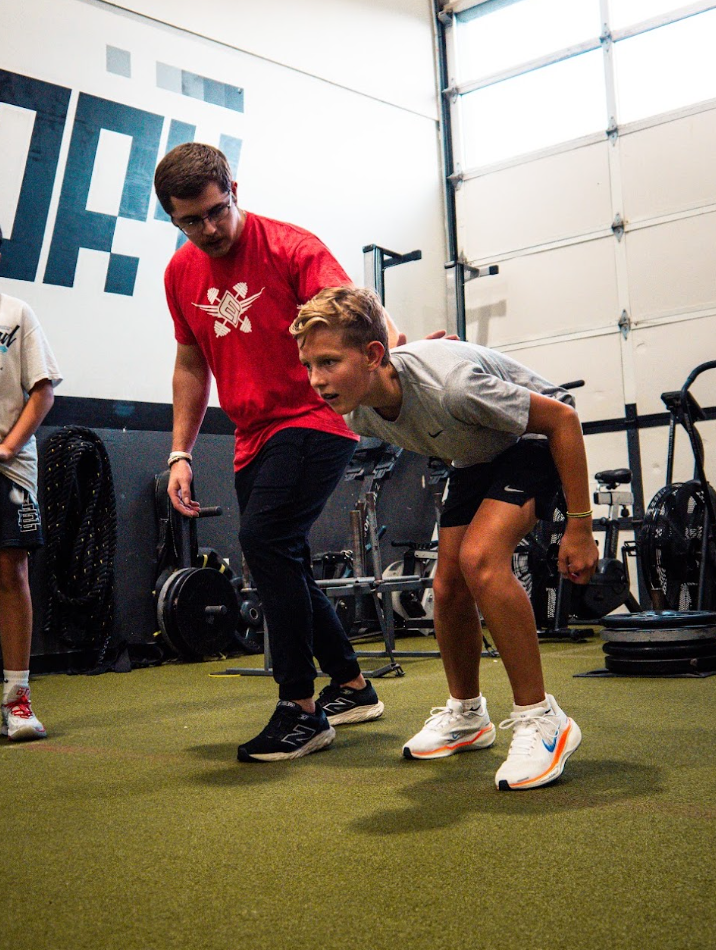
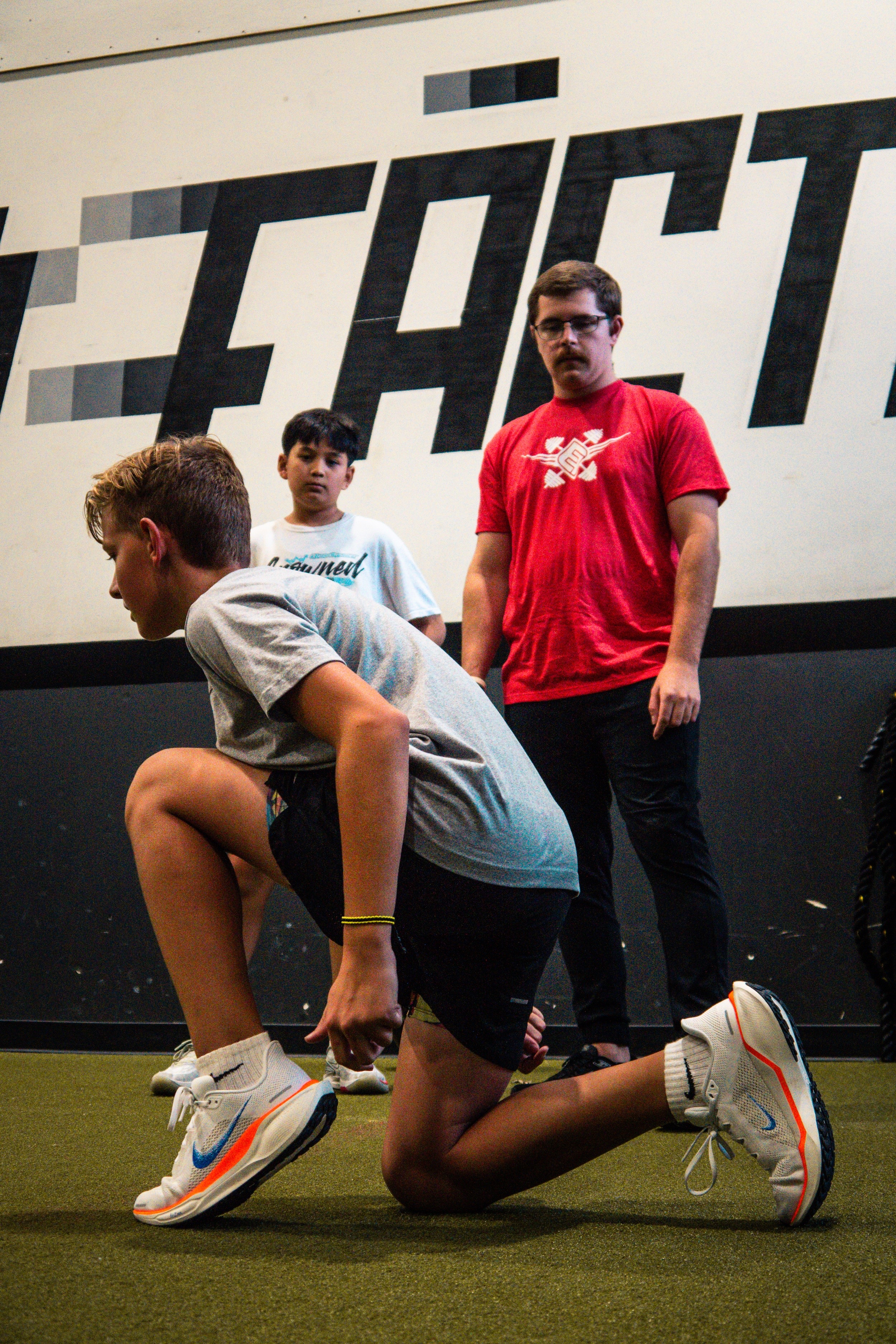
This is where we want baseball players to start thinking like athletes who play baseball, not just baseball players. A 12-year-old doesn't need to spend four months trying to manufacture an MLB swing. They need to become more coordinated, stronger, faster, more explosive, and better at controlling their body.
Those qualities give sport skill somewhere to go.
This connects directly to something we've discussed previously at EForce: the weight room doesn't need to look like baseball to make you better at baseball.
Squatting isn't a baseball skill.
Sprinting isn't hitting practice.
Jumping isn't pitching instruction.
But developing stronger legs, better force production, speed and body control gives an athlete more physical capacity to eventually express through baseball.
Phase 3: Prepare
Eventually, the emphasis changes again. Now the question becomes:
What does this athlete need to be ready to do on Day 1?
For a pitcher, that means progressively rebuilding throwing volume rather than going from a long shutdown directly into high-intensity bullpens.
For a hitter, it means gradually moving from developmental work toward more game-like timing, velocity and decision-making.
For every player, it means conditioning the body for the actual demands of baseball.
This is where offseason training starts becoming preseason preparation.
And the transition matters.
Pitch Smart's preseason throwing guidance uses progressive throwing programs rather than immediately returning athletes to maximum-effort mound work. For younger pitchers, those progressions begin with interval throwing before adding flat-ground and mound work. MLB Content
Don't wait until tryout week to get ready for tryouts.
Preparation should build toward the season.
What About Hitting?
Throwing deserves special attention because of the repetitive stress placed on the arm.
Hitting is different.
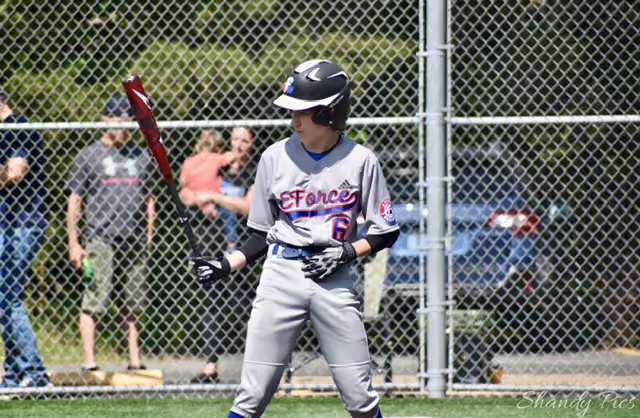
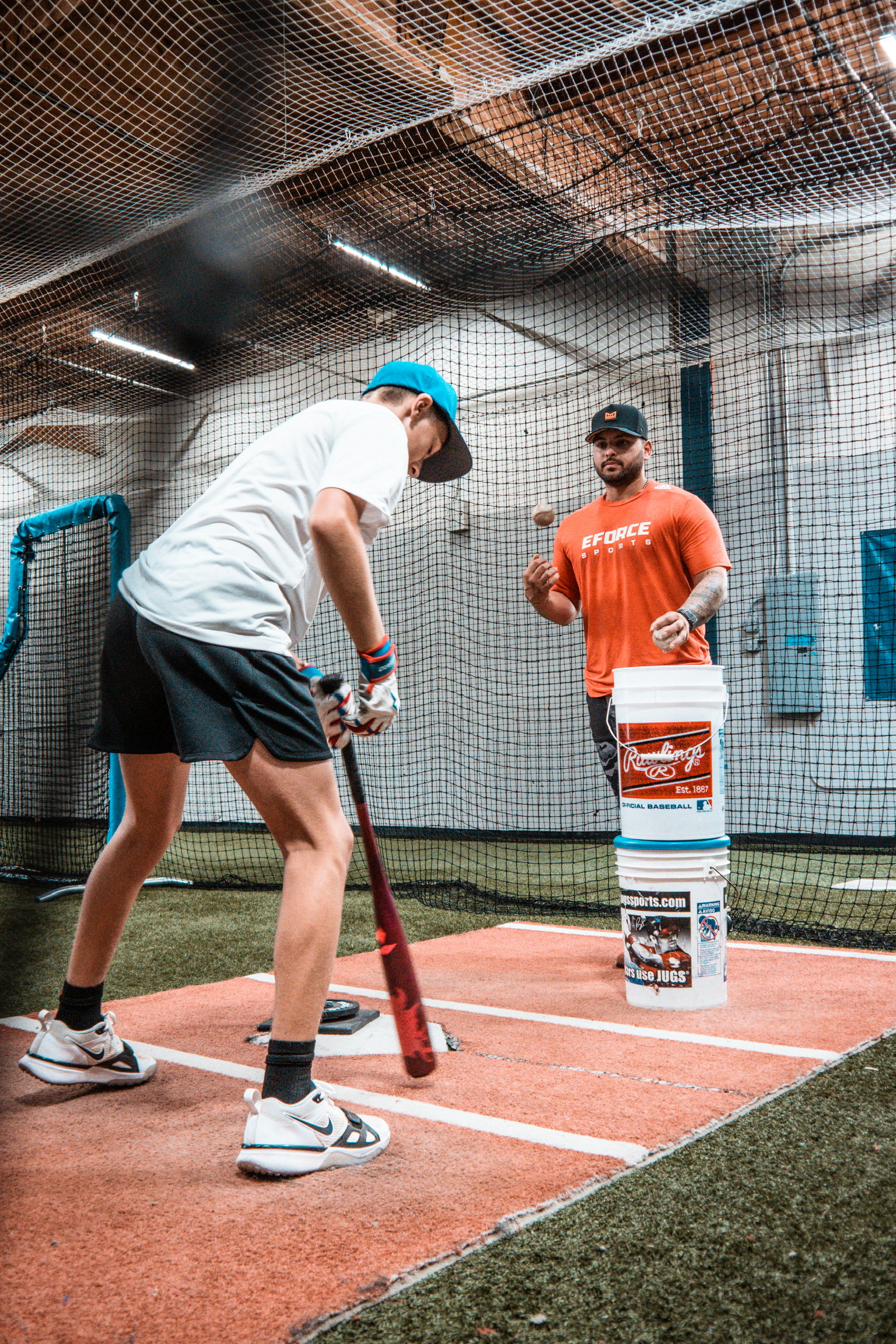
There usually isn't the same reason for a complete hitting shutdown in a healthy athlete, but the offseason should still look different. The offseason gives hitters permission to actually change something. Maybe that's bat path, how they load, how to better use of the lower half, or changing approach.
Maybe it's simply becoming more consistent at controlling the barrel.
The offseason is when athletes can slow things down enough to make adjustments without worrying about whether they have a game tomorrow. That's development. Then, as the season approaches, hitting should gradually become more competitive and game-like again.
Build the movement first. Then put it under pressure.
What Should a Typical Baseball Offseason Include?
For most healthy youth and high-school baseball players, we'd want parents thinking about several broad buckets:
Recovery from the previous season.
Especially managing throwing exposure and giving the arm meaningful time away from repetitive overhead work.
Strength and athletic development.
Get stronger. Sprint. Jump. Move in different directions. Build physical qualities that are harder to emphasize during a packed baseball season.
Intentional skill development.
Don't just take random swings. Identify something the player actually needs to improve and work on it.
A gradual baseball ramp-up.
As the spring approaches, throwing, hitting and fielding should progressively look more like the demands of competition.
Life outside baseball.
Play another sport. Spend time with friends. Take a weekend off.
The American Academy of Pediatrics continues to emphasize breaks, varied activity and avoiding excessive year-round training as part of reducing overuse and burnout in young athletes. HealthyChildren.org
None of that means taking development less seriously.
It means thinking longer-term.
Build Your Offseason With a Purpose
EForce Baseball's current group-class model includes hitting, pitching, fielding and catching training for grades 5–12 at its Milwaukie and Beaverton locations, while EForce performance training provides another avenue for developing the strength, speed and athletic qualities that support sport performance. EForce Sports
Explore EForce Baseball Group Training or EForce Sports Performance Training to start building a more intentional offseason.