
When Friendship Gets Messy: Helping Girls Navigate Conflict in the Tween Years
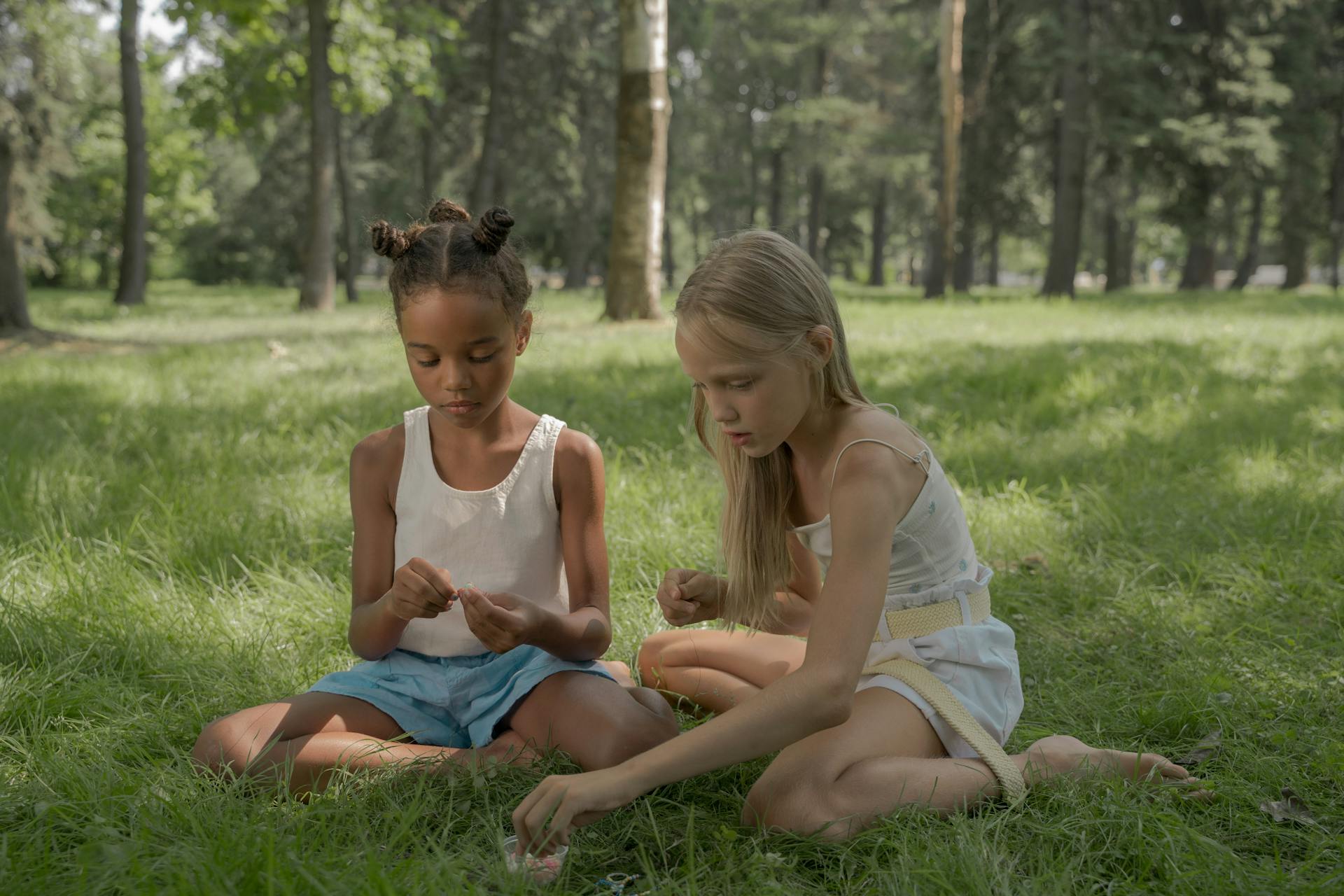
Friendship in upper elementary can feel big, full of laughter, loyalty, and sometimes, hurt feelings. What used to be simple playground disagreements can suddenly feel complicated: who’s included, who’s left out, and how to make things right again.
At AllPlay, we see these moments not as “drama,” but as development. They’re opportunities for girls to practice empathy, communication, and self‑understanding — skills that matter far beyond the playground.
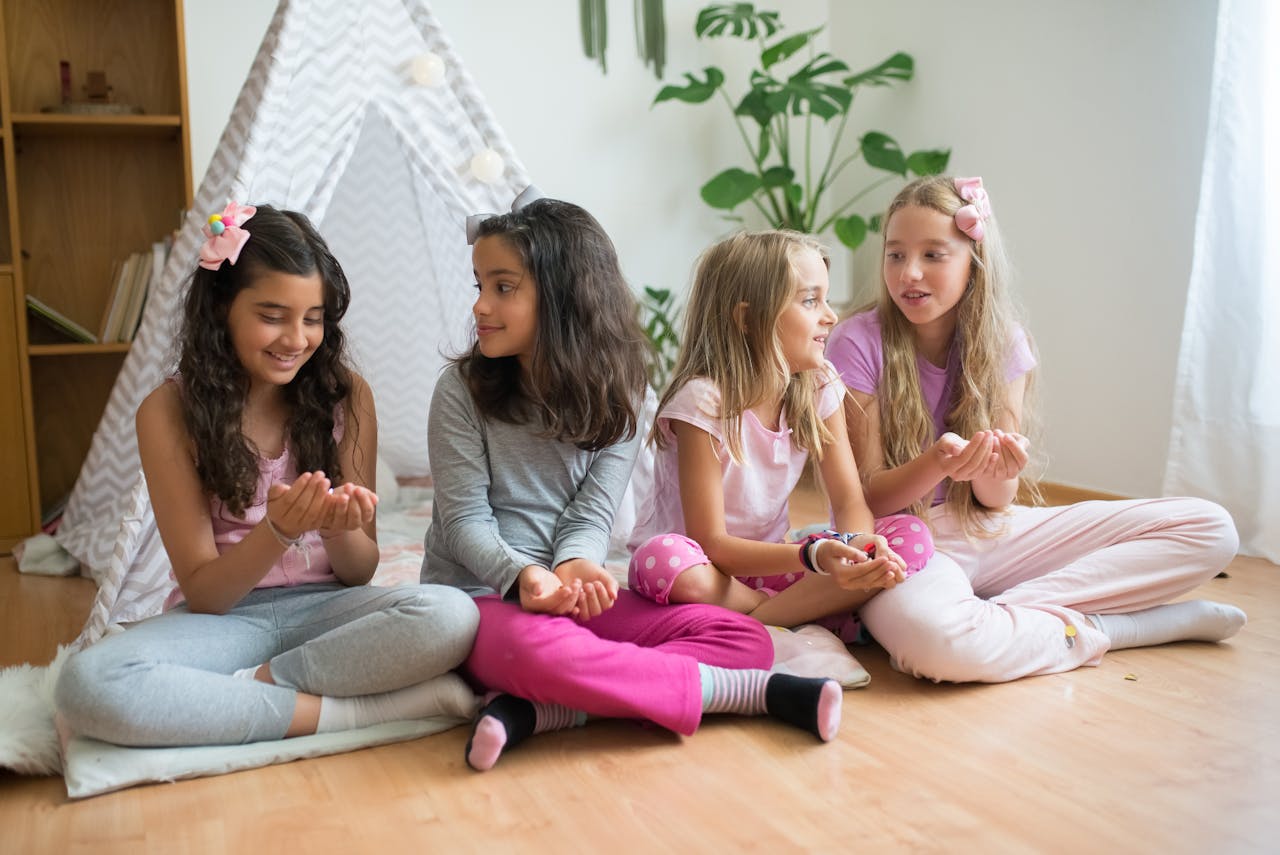
What’s Really Going On
Between ages 9 and 12, girls begin to:
- Care deeply about belonging and peer approval
- Experiment with leadership and influence
- Struggle to balance honesty with kindness
- Feel emotions more intensely and express them through relationships
Conflict often shows up as exclusion, gossip, or shifting alliances — not because girls are unkind, but because they’re learning how to manage power and connection.
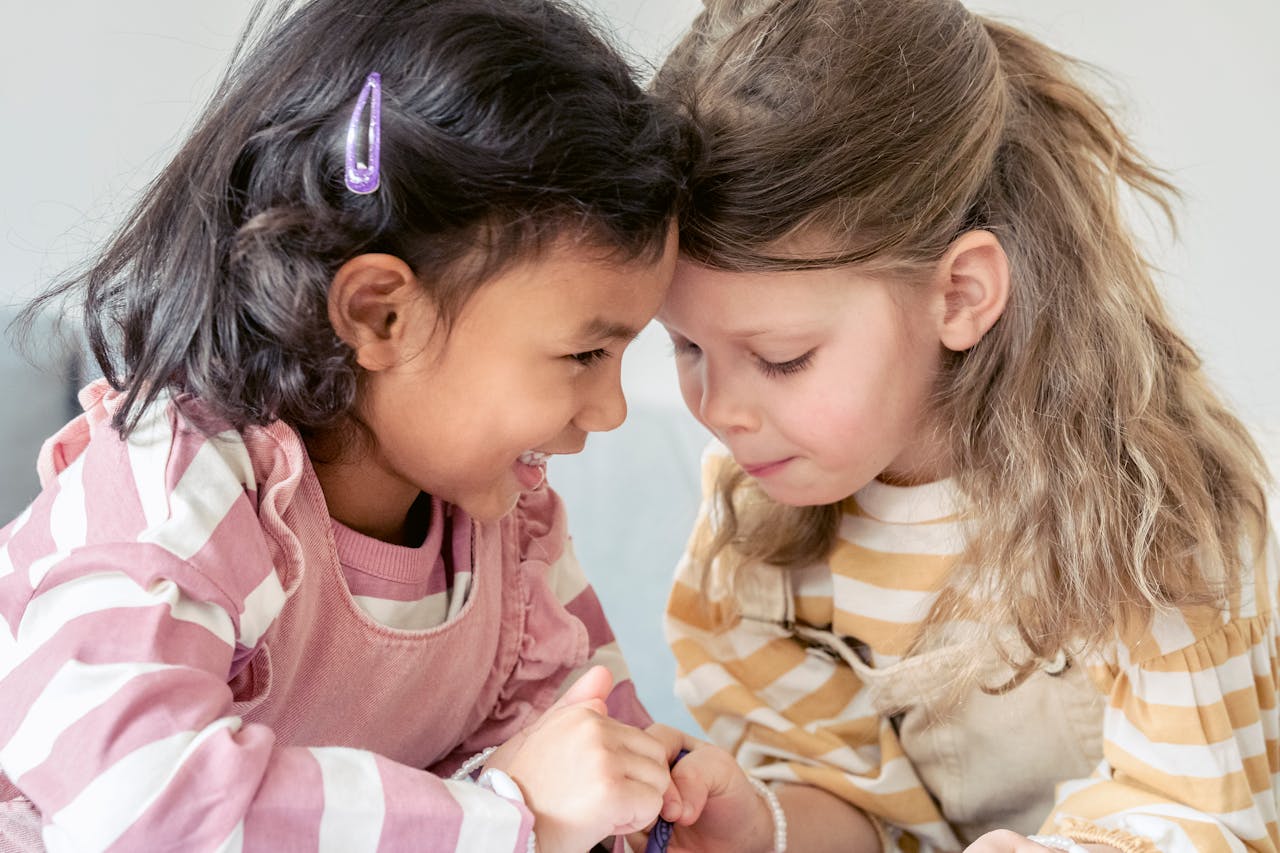
How Adults Can Help
1. Stay curious, not reactive.
When your child shares a friendship problem, resist the urge to fix it right away. Ask open questions like, “What do you think she was feeling?” or “What do you hope happens next?” This helps your child build perspective and problem‑solving skills.
2. Name the feelings, not the villains.
Instead of labeling behavior as “mean,” describe what’s happening: “It sounds like you felt left out when the group changed plans.” This keeps the focus on emotions and repair, not blame.
3. Model calm communication.
Kids watch how adults handle tension. When we speak respectfully even about hard topics, they learn that conflict doesn’t have to mean disconnection.
4. Encourage direct, kind conversations.
Support girls in using “I” statements: “I felt hurt when…” or “I need space right now.” Practicing these phrases in calm moments builds confidence for real‑life situations.
5. Keep perspective.
Friendship shifts are normal. What feels huge today often looks different next week. Our job is to help kids ride those waves with resilience and compassion.
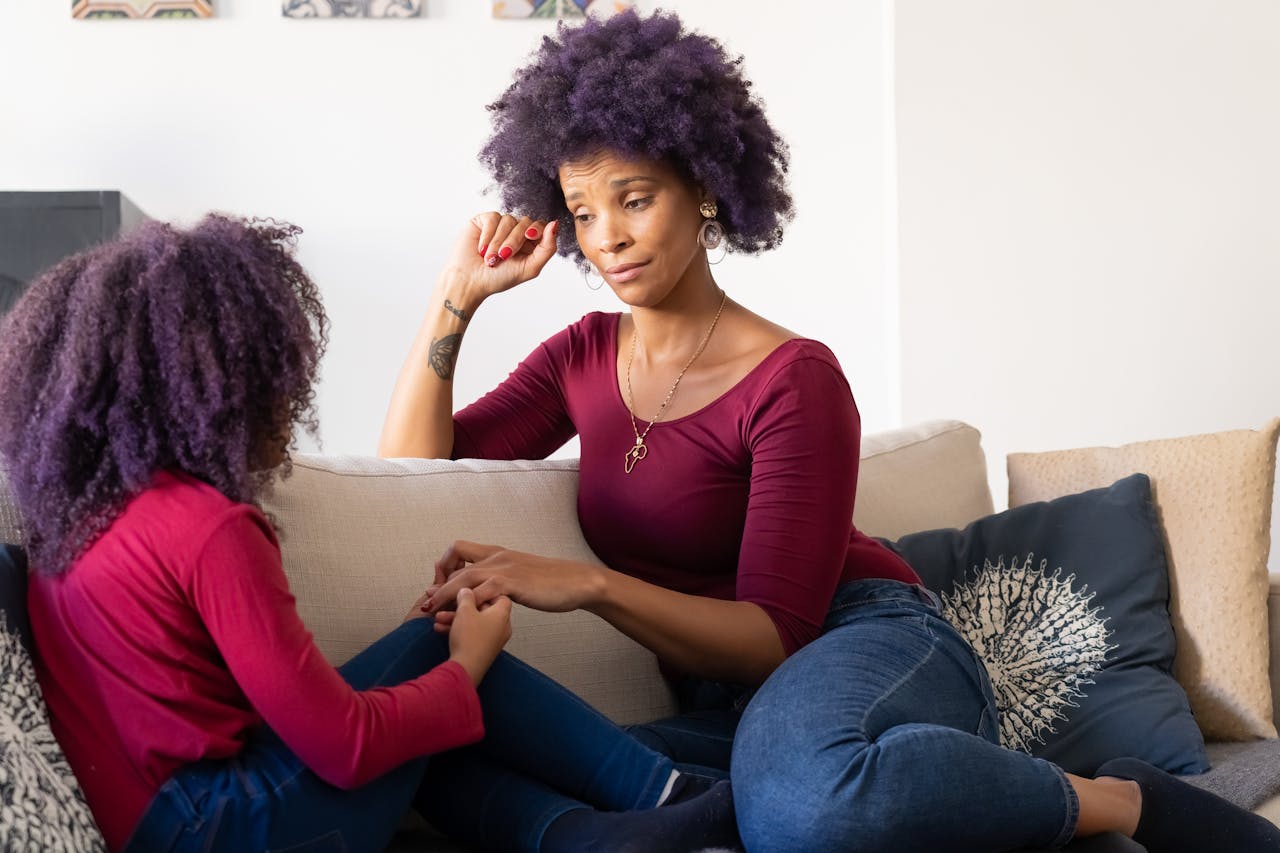
The AllPlay Approach
In our groups, we use movement, mindfulness, and playful role‑play to help girls:
- Recognize body cues when emotions rise
- Practice flexible thinking (“There’s more than one way to see this”)
- Build confidence in expressing needs and boundaries
- Strengthen empathy through shared experiences
Conflict becomes a chance to connect, not divide.
Final Thought
When adults respond with calm curiosity, we teach girls that relationships can be repaired, trust can grow, and belonging doesn’t require perfection. Every tough moment is a step toward emotional maturity, and that’s something worth celebrating.
Learn more about AllPlay’s Calm & Connect and Social Squad groups, where kids practice friendship skills through movement, mindfulness, and play.



.jpg)