Mindfulness & Regulation Strategies Kids Can Actually Use

Kids today are navigating big feelings in fast‑moving environments: classrooms, playgrounds, sports, and home. When emotions spike, many children don’t yet have the tools to slow down, reset, and feel in control again. The good news: simple mindfulness and regulation strategies can make a huge difference, and kids can learn them quickly.
Regulation for Today’s Generation
Many children are expected to “calm down” without ever being taught how to do it.
They’re told to take a breath, use their words, or “make a good choice,” but their nervous systems are already overwhelmed. Without concrete tools, kids stay stuck in fight‑or‑flight, leading to meltdowns, shutdowns, or behavior that gets mislabeled as defiance.
This matters because regulation isn’t just a school skill or needed for sports. It’s a lifelong skill. When kids learn how to notice their body, manage big feelings, and return to a calm state, everything improves: learning, friendships, confidence, and overall well‑being.
Quick tool for your family:
Mindfulness and regulation strategies give kids a roadmap back to calm. Three principles make the biggest impact:
1. Teach the Body First
Kids regulate through their bodies before their words. Movement, breathing, and sensory input help shift the nervous system from “alarm” to “okay.”
2. Keep Strategies Simple & Repeatable
Tools like box breathing or a 3‑step calm‑down routine work because they’re easy to remember — even when emotions are high.
3. Practice When Kids Are Already Calm
Regulation skills stick when they’re rehearsed during neutral moments. That way, kids can access them when they need them most.
Practical Takeaways
Here are kid‑friendly strategies you can use at home, school, or in after‑school programs across the Portland metro area:
Box Breathing (4–4–4–4):
Inhale for 4 seconds → hold for 4 → exhale for 4 → hold for 4.
- Repeat 3–5 times. This slows the heart rate and signals safety to the brain.

5‑Second Body Check:
“What do I feel in my hands? Feet? Shoulders?”
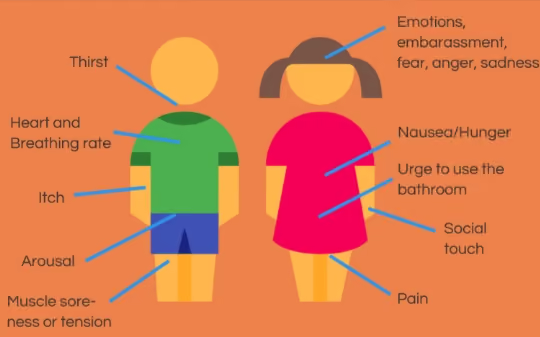
- This builds interoception — the awareness of what’s happening inside the body.
- 3‑Step Calm‑Down Routine:
- Pause (stop and plant your feet)
- Breathe (one slow breath or box breathing)
- Choose (pick a tool: movement break, squeeze ball, water sip, or ask for help)
Movement Reset:
- A quick walk, yoga stretch, wall push‑ups, or a stretch sequence helps release stored energy and reset the nervous system. It is especially helpful to do this with your child or model if they are not quite ready.

Name the Feeling:
“I feel frustrated.”
- Naming emotions reduces their intensity and helps kids communicate what they need.

How do we know these strategies work?
These strategies are grounded in trauma‑informed practice, sensory integration principles, and decades of child development research. As a Yoga Calm–certified practitioner with 13 years as a school psychologist, I’ve taught these tools to hundreds of children and families. When kids learn accessible, body‑based regulation strategies, their confidence grows and so does their capacity to connect, learn, and thrive. Don’t get discouraged if it isn’t smooth at first. Learning new skills takes time just like learning how to hit a baseball or ride a bike.
What’s next?
If your child benefits from structured, supportive movement and mindfulness, our AllPlay programs offer neuroaffirming, sensory‑smart enrichment designed to help kids build regulation skills through play.
Request more by sending me an email or sign up for our new groups starting this summer at EForce AllPlay