
"My Kid Won't Go to School." When Social Anxiety in Middle School Takes Over
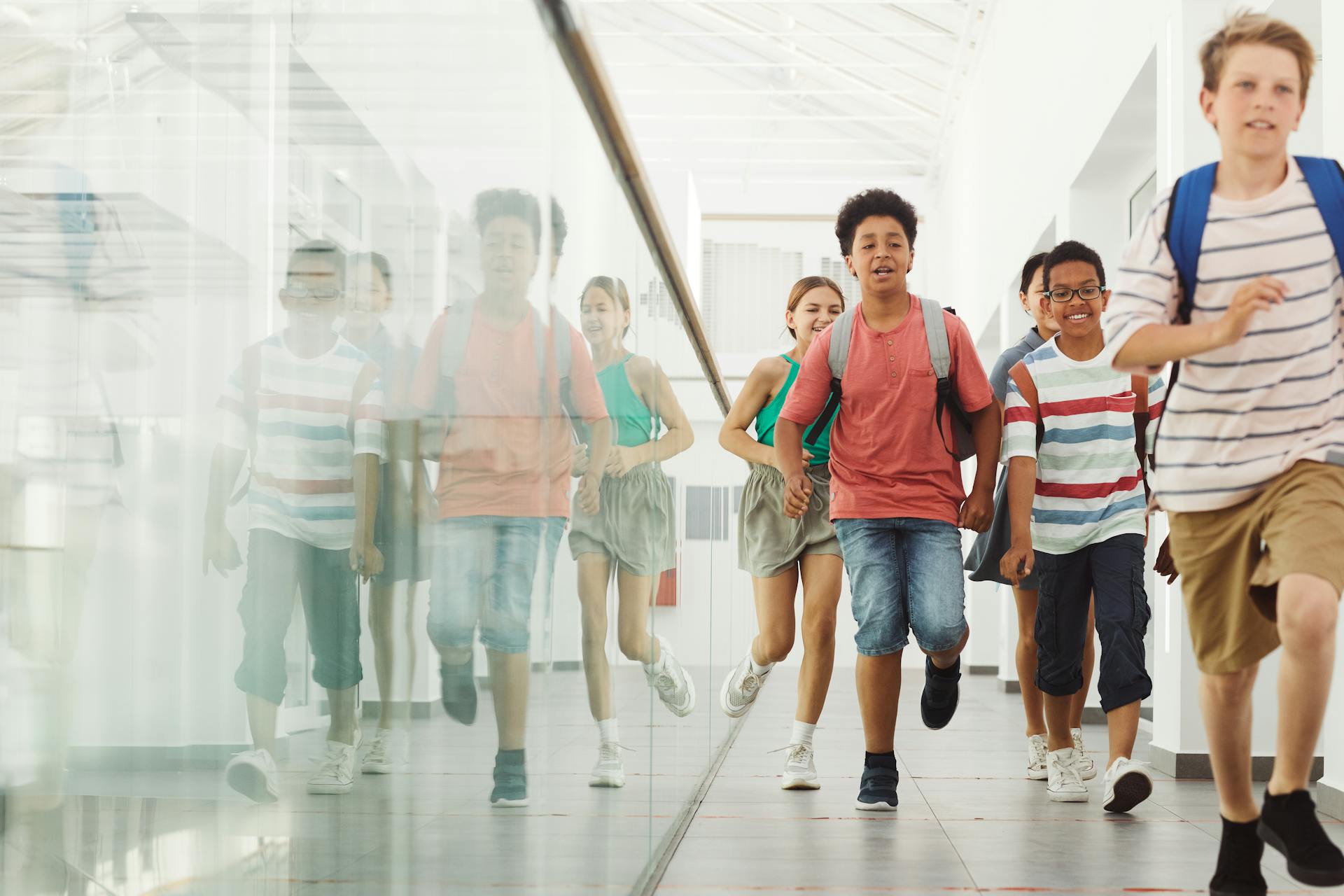
Middle school is hard for every kid — but for some, the hallways, the lunch tables, and the group projects feel genuinely terrifying. If your child is shutting down socially, you're not imagining it, and it's not a phase you should wait out.
THE PROBLEM
What's Going Wrong — and Why It Matters
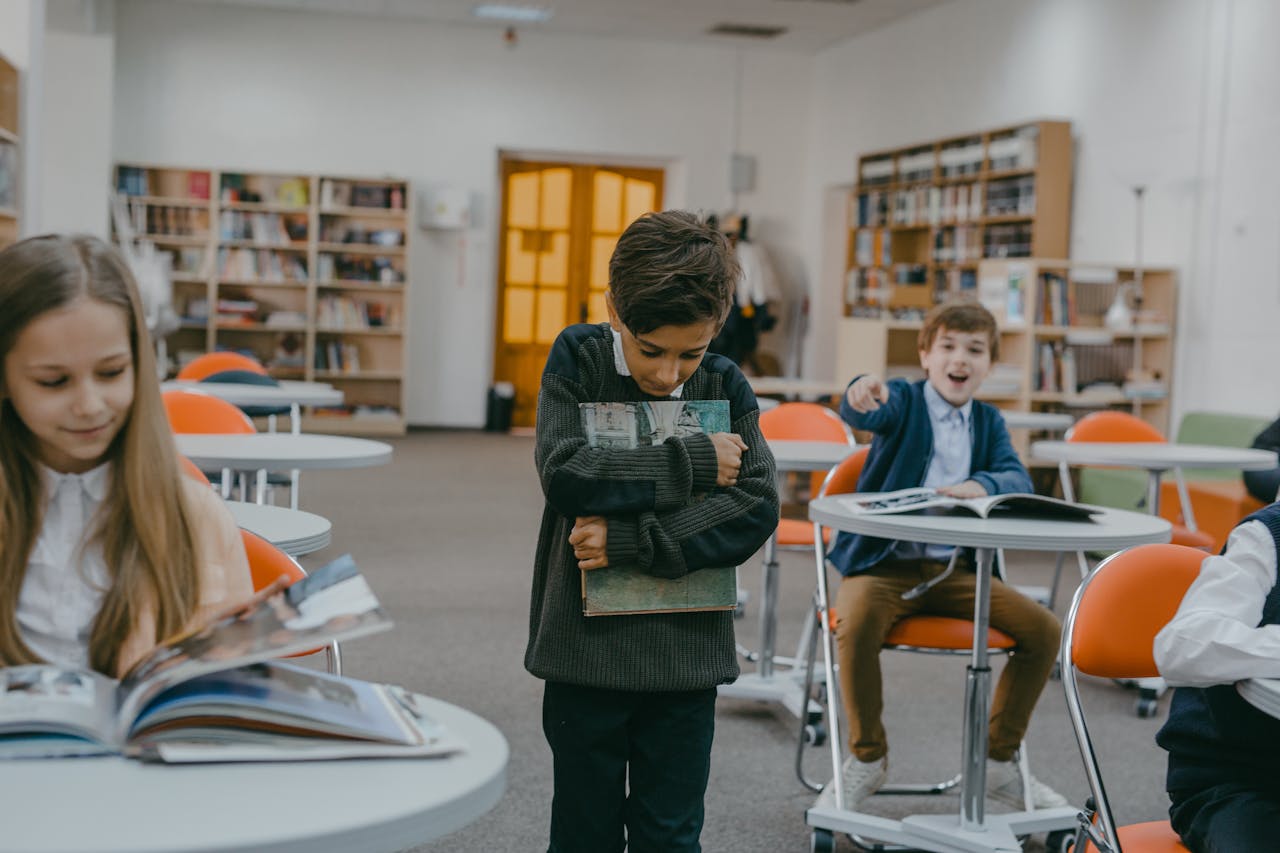
Social anxiety in middle school is more than shyness. It's a pattern of intense fear around social situations — being judged, embarrassed, or rejected — that interferes with daily life. Kids with social anxiety often avoid class participation, school events, or even texting friends back. They may complain of stomachaches, beg to stay home, or seem "fine" at home but completely withdrawn at school.
Left unaddressed, social anxiety in middle school can snowball into academic struggles, isolation, and depression by high school. The good news? Parents are one of the most powerful tools for change — and you don't need a therapy degree to help.
THE SOLUTION
3 DBT Principles Parents Can Actually Use
Dialectical Behavior Therapy (DBT) was built for exactly this kind of emotional dysregulation. Here are three core skills, translated for everyday parenting:
Principle 1: Validate before you problem-solve When your child says "everyone hates me," the instinct is to argue. Instead, try: "That sounds really painful. Tell me more." Validation doesn't mean you agree — it means your child feels heard. In DBT, this is called radical acceptance, and it lowers the emotional temperature so real conversation can happen. DBT Skill: Radical Acceptance
Principle 2: Help them name what they feel in their body Anxious kids often don't know they're anxious — they just know their stomach hurts before school. Teach them to notice body signals: "Where do you feel it? Chest tight? Heart fast?" This is the DBT skill of mindfulness. When kids can label a sensation, they feel less controlled by it. A simple script: "That tight chest means your body is sending you a 'worry signal.' That's normal. Let's breathe together." DBT Skill: Mindfulness
Principle 3: Opposite action — small brave steps, not big leaps DBT's opposite action skill means doing the opposite of what anxiety tells you to do — but gently, in small doses. Don't force your anxious 6th grader to give a speech. Instead, try: "Can you say hi to one person today? Just one." Celebrate that. Over time, small brave actions rewire the brain's fear response. Avoidance makes social anxiety in middle school worse; approach makes it better. DBT Skill: Opposite Action

PRACTICAL TAKEAWAYS
What to Do Starting This Week
- Replace "You'll be fine!" with "That sounds hard. I'm here."
- Practice a 4-7-8 breathing exercise together at bedtime — normalize the skill before it's needed.
- Set one tiny social goal per week (wave to a neighbor, reply to a text). Keep it small and celebrate it genuinely.
- Avoid accommodating avoidance — don't let your child skip school repeatedly without a plan for re-entry.
- Talk to their school counselor; most middle schools have support resources available.
- If anxiety is significantly disrupting daily life, seek support. Connect with your primary care provider or connect with a therapist in your area specializing in adolescents.
- Join us for our Calm & Connect Series for Middle School students. Groups starting in July 2026.
Resources:
DBT (Dialectical Behavior Therapy) was developed by Dr. Marsha Linehan and is supported by decades of research for treating emotional dysregulation in adolescents. The strategies above are adapted from evidence-based DBT skills used by therapists treating social anxiety in middle school children. This post is for educational purposes — if you're concerned about your child, please reach out to a licensed mental health professional.
Your child doesn't have to white-knuckle middle school.
If you're a parent in the Portland Metro area navigating social anxiety in middle school with your child, you don't have to figure this out alone. Share this post with another parent who might need it — or save it for the next hard morning before school.


.jpg)