Watch Yourself to Win: How to Review Film Without Tearing Yourself Apart
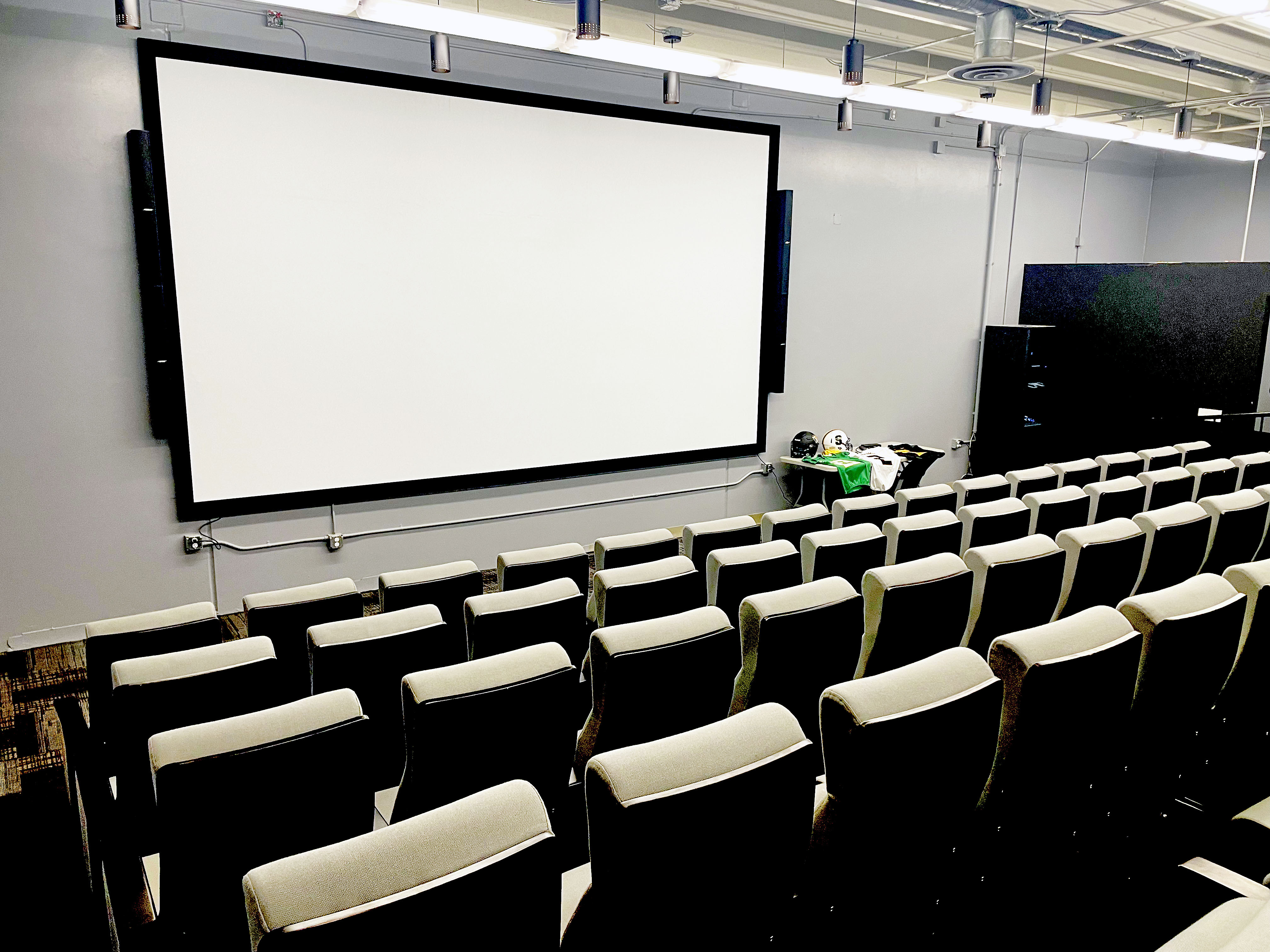
Watch Yourself to Win: How to Review Film Without Tearing Yourself Apart
By Dr Drew Brazier, Sport Psychologist
5 min read | Mental Skills | Film Study
Film sessions and feedback are two of the most powerful tools in an athlete's toolkit but only if you know how to use them. Here's how to be brutally honest with yourself without becoming your own worst enemy.
There's a particular kind of dread that hits when a coach says, "Let's pull up the tape." Your stomach drops. You already know what you did wrong, you felt it in the moment and now you're about to watch it on a screen in front of everyone. The instinct is to either shut down completely or to pick yourself apart until every mistake feels catastrophic.
Neither of those responses will make you better. Real growth happens in the space between blind confidence and brutal harsh self-judgement in clear, honest, forward-looking evaluation.
Here's how to build that skill.
Separate the player from the play
The most important mindset shift you can make before hitting play: what happened on the field is data, not identity. When you watch yourself miss a block, drop a pass, or misread a defensive scheme, your brain wants to translate that into a story about who you are. "I'm too slow." "I'm not good enough." "I always choke."
Stop that loop before it starts. What you're watching is a snapshot of what happened in a specific moment, under specific conditions, at your current level of development. It is not a verdict on your potential.
"You're not watching yourself fail. You're watching yourself learn there's a difference, and it changes everything."
Go in with a framework, not feelings
Unstructured film review is where athletes get into trouble. You sit down, the tape plays, and your emotional reactions guide everything you notice. You fast-forward through the good reps and obsess over one bad one.
Instead, walk in with a specific set of questions. Give your brain something analytical to do, and it won't have as much bandwidth to run the self-criticism loop.
Ask yourself these before the tape rolls:
• What specific skill or decision-making pattern am I studying today?
• What was I trying to do in each play? What was the intent?
• Where did execution match intent? Where did it break down?
• What's one thing I want to do differently and why would that work?
The 2:1 rule for honest review
Here's a practical technique: for every mistake you note, make yourself identify at least two things you executed correctly. This isn't about padding your ego, it's about accuracy. Athletes who only track errors build a distorted picture of their own game. They underestimate their strengths and overestimate their weaknesses.
The best players in the world aren't great because they're oblivious to their flaws. They're great because they have a complete, accurate picture of themselves and they work from that whole picture.
How to receive feedback without shutting down or deflecting
Watching your own film is one thing. Sitting in a room while a coach or teammate breaks it down in real time is another. The stakes feel higher, the discomfort is sharper, and the temptation to either defend yourself or disappear into your chair is real.
1. Listen to understand, not to respond. Your job in the moment isn't to explain yourself or push back. It's to absorb information. You can process and evaluate it later.
2. Take notes, even one word. Writing something down forces you to engage with feedback analytically rather than emotionally. It also signals to coaches that you're coachable.
3. Ask one clarifying question. Not to challenge, but to understand. "What would the ideal decision have looked like there?" turns criticism into instruction.
4. Give yourself a processing window. Before the film session is over, commit to one thing you're going to work on. Not five things. One. Specificity is what turns feedback into improvement.
After the session: reset, don't ruminate
The moment the film session ends, your job is to close the loop mentally. You've gathered the information. Now you either act on it in training, in preparation, in study or you let it go until you can.
What you don't do is carry it with you for the rest of the day like a weight. Rumination is not reflection. Replaying mistakes over and over in your head is not the same as doing the work to fix them. Elite athletes learn to treat film review as an input, not a verdict. The verdict comes in the next game and the game after that.
Signs your film review mindset is on track:
• You leave sessions with specific action items, not just bad feelings
• You can watch a bad play without the whole session going dark
• You look forward to film because you see it as an edge, not a punishment
• You can separate how you played from how you feel about yourself as a person
The bottom line
Objectivity is not coldness. It's not pretending mistakes don't sting or that feedback is always easy to hear. It's the ability to feel those things and still look clearly at what happened to stay curious when your instinct is to shut down, and to stay steady when your instinct is to spiral.
The athletes who use film and feedback most effectively aren't the ones who feel the least. They're the ones who've learned to feel it, name it, and then get back to work.
The tape doesn't lie but it also doesn't judge. That part is up to you. Choose to be a fair witness to yourself, and watch what you become.
To dive deeper into the mental game and master your performance under pressure, learn more about this topic at Dr. Drew Brazier’s YouTube.