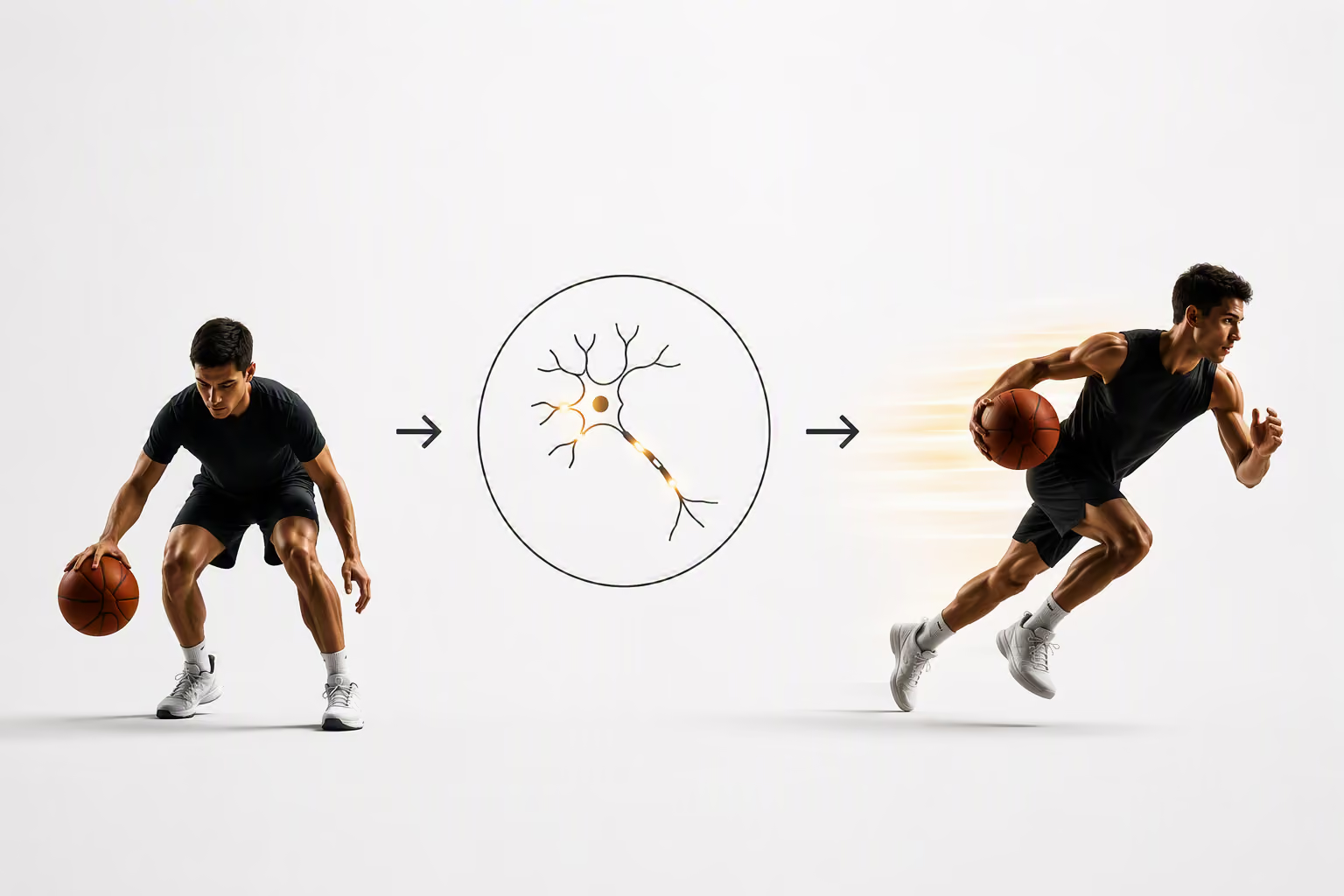
The Tool Is Not the Talent: Finding the Right Relationship With Technology in Sports
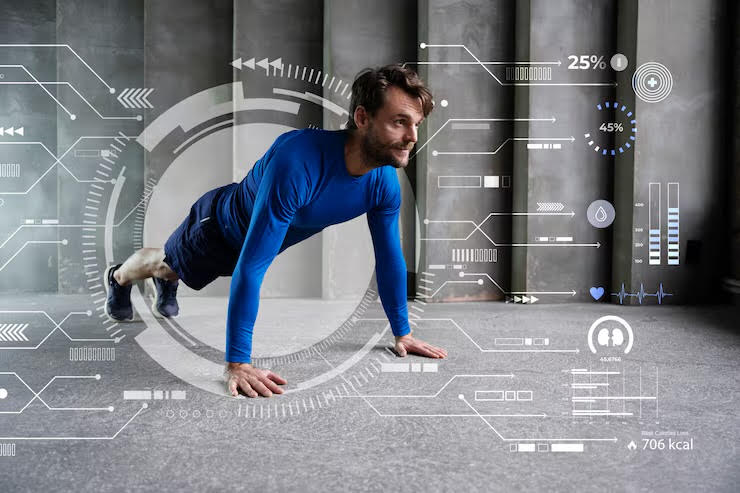
Walk into any training facility today and you will see it everywhere. GPS vests tracking every sprint. Apps logging sleep, nutrition, and heart rate variability. Film platforms breaking down every rep. Wearables buzzing with recovery scores before an athlete has even gotten out of bed.
Technology has changed how athletes train and how coaches lead. That is not a bad thing. But somewhere along the way, a quiet question got lost: who is actually in charge here, the athlete or the device?
The answer matters more than most people realize.
When Technology Becomes a Crutch
Here is a scenario I see often. An athlete wakes up feeling good. Rested, motivated, ready to compete. Then they check their recovery app and it says they scored a 54. Suddenly the energy drains. They walk into practice already convinced they are going to have an off day. And guess what? They usually do.
That is not the technology failing. That is the athlete outsourcing self awareness to a wristband.
The best competitors in any sport share one trait: they know themselves. They can feel the difference between fatigue and laziness, between soreness and injury, between nerves and readiness. That internal awareness is a skill, and like any skill, it atrophies when you stop using it.
When an athlete cannot make a decision without consulting a screen, the technology has stopped serving them. It has started replacing them.
The same trap exists on film. Watching cutups is valuable. But some athletes watch so much film they start playing the game in their heads instead of trusting their eyes and instincts in the moment. Analysis is preparation. It is not a substitute for presence.
When Ignoring Technology Becomes Stubbornness
Now flip it. There are still athletes and coaches who wear their resistance to technology like a badge of honor. "I go by feel." "We did it the old way and it worked fine."
Respectfully, that is not toughness. That is leaving information on the table.
An athlete who refuses to track anything has no objective record of their patterns. They cannot see that their performance dips every time they sleep under six hours, or that their velocity climbs when they follow a certain recovery routine. Feel is powerful, but feel has blind spots. Data exists to shine a light into them.
For coaches, the stakes are even higher. A coach who ignores film analysis, tendency data, or load monitoring is not protecting some pure version of the game. They are asking their athletes to compete at a disadvantage against programs that do use those tools. Instincts built over years of experience are irreplaceable. But instincts sharpened by good information beat instincts alone every single time.
The Middle Path: Technology as a Mirror, Not a Master
So what does the right relationship look like? A few principles I come back to with the athletes and coaches I work with:
Data confirms, it does not command. Check the numbers after you have checked in with yourself. Ask "how do I feel?" before asking "what does the app say?" When the two agree, great. When they disagree, that gap is worth exploring, not obeying.
Technology should sharpen instincts, not replace them. The goal of watching film is to see the game faster and cleaner when you are actually playing it. The goal of tracking recovery is to understand your body better, not to hand over the steering wheel. If a tool is making you more aware, keep it. If it is making you more dependent, rethink how you are using it.
Coaches set the culture. If a coach treats every metric like gospel, athletes will learn to fear the numbers. If a coach treats data as one voice in the room alongside effort, communication, and feel, athletes learn to use information without being ruled by it. How you talk about technology teaches your team how to relate to it.
Schedule unplugged reps. Some of the best training an athlete can do involves no screens at all. Compete on feel. Trust the eyes. Let the body report back without a device translating. These reps keep the internal compass calibrated so the external tools stay in their proper place.
The Bottom Line
Technology is one of the greatest advantages available to modern athletes and coaches. It is also one of the easiest things to misuse.
Rely on it too heavily and you train yourself out of the self awareness that separates good competitors from great ones. Ignore it entirely and you compete blind while everyone around you sees more clearly.
The athletes and coaches who thrive are the ones who treat technology as a mirror. It reflects. It reveals. It informs. But when the whistle blows, the mirror goes away, and what remains is what you have built: your preparation, your instincts, and your ability to trust yourself in the moment.
That part will never come from a device. And it never should.